

Airflow comes with the route
The vehicle’s motion moves ambient air through the capture cartridge without a dedicated capture fan found in stationary direct air capture facilities.
Direct air capture for fleet vehicles
CarBonne is developing a removable CO2 capture cartridge that mounts to fleet vehicles and uses airflow generated during normal driving. When the vehicle returns to the depot, the cartridge is swapped and regenerated off-vehicle.
Why fleets
Direct air capture needs to move large volumes of ambient air. Fleet vehicles already move through that air every day, and many return to a central depot after each shift. CarBonne is designed around those two existing assets.
The vehicle’s motion moves ambient air through the capture cartridge without a dedicated capture fan found in stationary direct air capture facilities.
Cartridges can be exchanged, regenerated, and measured at a shared location the fleet already uses.
A shared depot process can support multiple equipped vehicles while keeping heat, vacuum, and recovered CO2 off the vehicle.
How it works
The vehicle carries the capture cartridge. Regeneration, CO2 recovery, and cartridge preparation happen off-vehicle at the depot.
Schematic. Cartridge, chamber and vehicle shown indicatively and not to scale.
Step 1 of 8
A removable cartridge holds sorbent-coated monoliths designed to capture CO2 from ambient air.
Step 2 of 8
The cartridge is integrated at the front of the vehicle so ambient airflow can pass through it during normal operation.
Step 3 of 8
As the vehicle moves, ambient air passes through the cartridge and CO2 adsorbs onto the sorbent. No dedicated capture fan is needed on the vehicle.
Step 4 of 8
At the end of the shift, the vehicle returns to its normal depot and the cartridge is ready for exchange.
Step 5 of 8
The used cartridge comes off the vehicle and remains linked to its operating data and cycle history.
Step 6 of 8
A regenerated cartridge is installed so the vehicle can return to service while the used cartridge is processed off-vehicle.
Step 7 of 8
Heat and vacuum release captured CO2 from the sorbent so the cartridge can be prepared for reuse.
Step 8 of 8
Cartridge and regeneration data are combined to quantify recovered CO2 and support traceable reporting before downstream handling.
What it means on the vehicle
Direct air capture has to spend energy pushing ambient air across the sorbent. CarBonne captures on airflow the vehicle is already generating, so no dedicated capture fan runs on board.
Current instrumented on-road testing shows the installed cartridge tracking closely with the vehicle baseline at steady cruise.
Only the capture cartridge travels with the vehicle. Regeneration and CO2 handling stay at the depot.
Each cartridge can be followed through installation, capture, regeneration, and reuse as the MRV system develops.
Who it's for
A vehicle captures the CO2 and somebody downstream needs it. CarBonne is built for both ends of that exchange.
For fleets
A fleet carrying a net-zero commitment eventually runs out of reductions to make and starts buying removals instead. A CarBonne cartridge turns a route that is being driven anyway into CO2 captured and accounted for against the vehicle that produced it.
This is for you if
For CO2 buyers
Beverage carbonation, food processing and greenhouses run on merchant CO2 that mostly arrives as a byproduct of other industries — which is why buyers have watched it tighten and reprice on decisions made nowhere near them. Regenerating cartridges at a depot puts a supply close to the point of use, on a schedule the depot keeps itself.
This is for you if
8 tCO2
captured per 100,000 miles driven
Modeled value tied to defined duty-cycle assumptions, not a measured fleet result.
Built and tested
We are building and testing the full capture cycle: airflow through the cartridge, CO2 capture and regeneration, vehicle integration, and the data needed to track each cartridge through reuse.
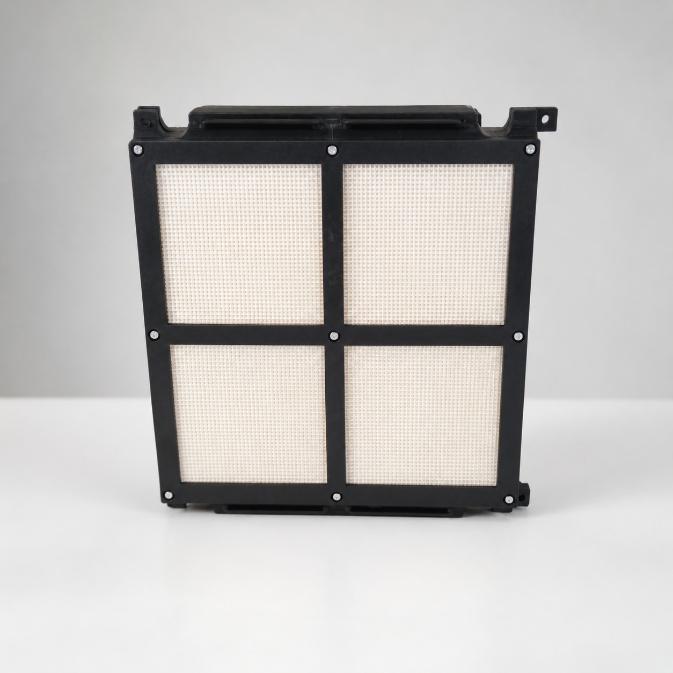
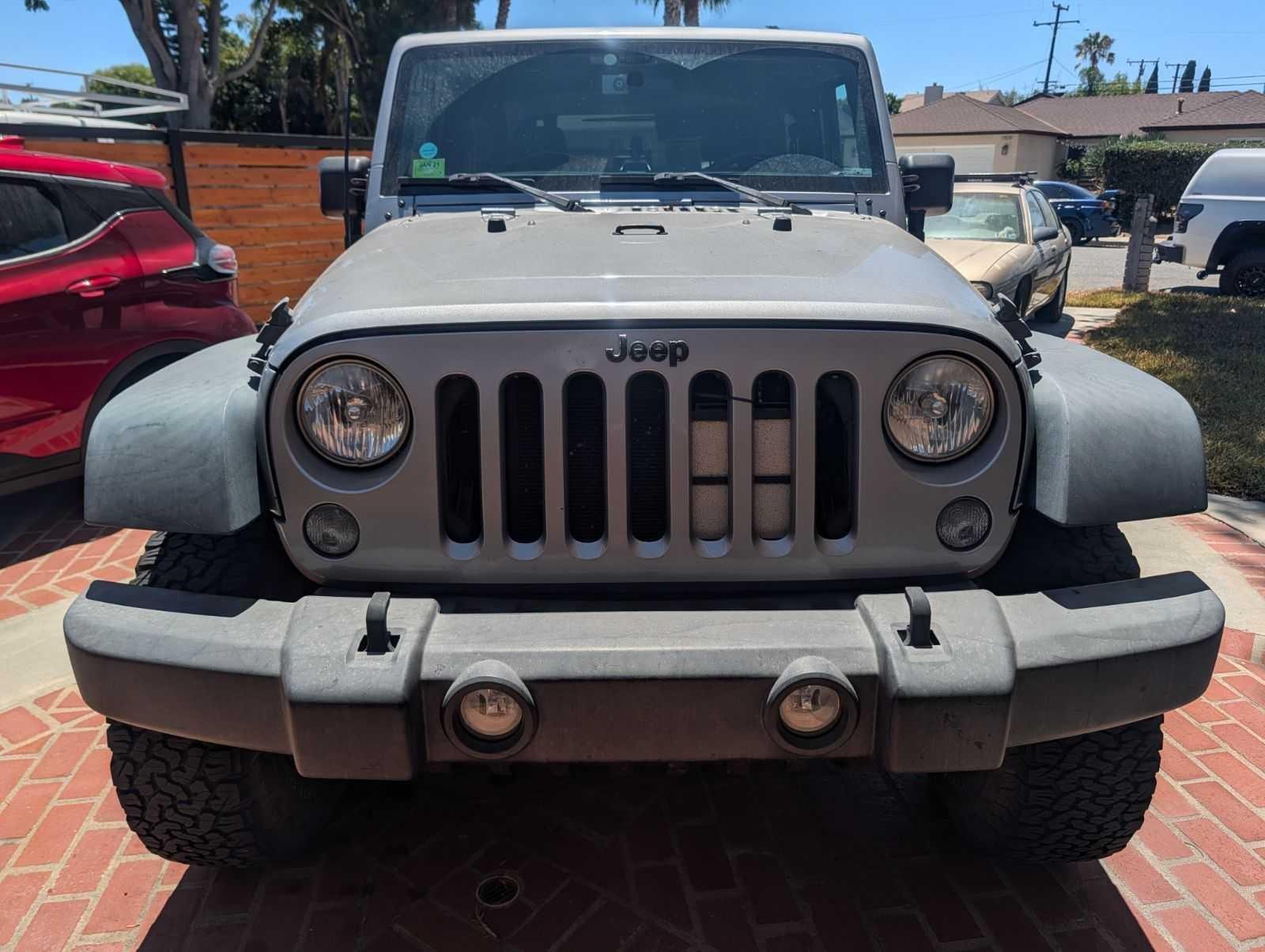
Built to compare cartridge configurations, pressure drop, airflow, and capture behavior under controlled conditions.
Cartridge-scale capture and bench-scale CO2 release have been demonstrated using the current test systems.
A full-scale cartridge has been installed on an instrumented test vehicle for on-road integration and energy-impact testing.
Sensor-based data collection and cartridge tracking provide the foundation for a unified measurement and reporting system.
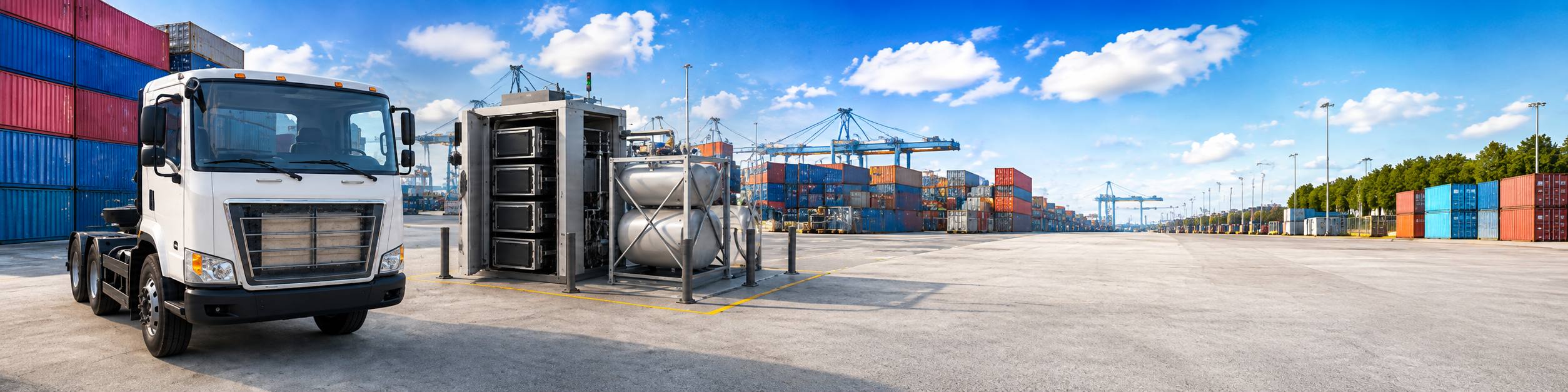 Concept rendering
Team
CarBonne brings together experience in vehicle aerodynamics and system integration with sorbent and materials development.

Co-founder, CEO
Meghan earned her PhD in Mechanical and Aerospace Engineering from the University of Virginia and previously worked at Rivian in vehicle aerodynamics and range &efficiency. Her background spans renewable energy, vehicle engineering, simulation, and experimental testing.
LinkedIn profile for Meghan Kaminski, PhD
Co-founder, CTO
Laleh earned her PhD in Analytical Chemistry, specializing in electrochemistry, and completed her postdoctoral research at the City College of New York (CUNY). She brings more than a decade of experience in advanced materials for energy and climate applications, including solid-state battery R&D and materials scale-up at Sakuu and LICAP Technologies. Her expertise spans CO₂ sorbent development, electrochemistry, polymer and porous materials, materials characterization, and process optimization.
LinkedIn profile for Laleh Abbasi, PhDOur direction
We are building toward a system in which fleet vehicles provide the capture surface and fleet depots provide the shared regeneration hub. The goal is to make carbon removal easier to deploy alongside transportation infrastructure that already operates every day.
Work with us
We are speaking with fleet operators, vehicle integrators, carbon-removal partners, and researchers as we move toward field demonstrations.